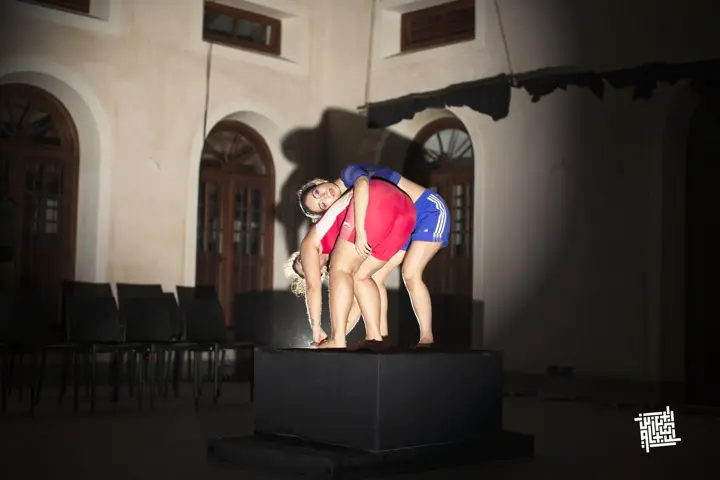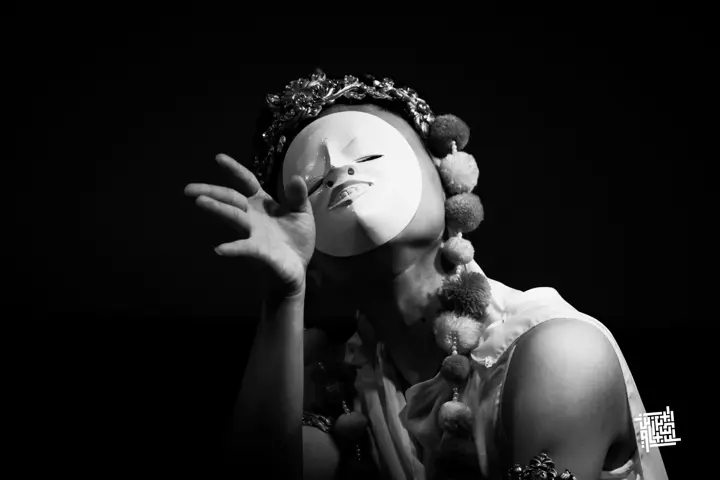

Kaafi is a dance theatre production that explores the multifaceted nature of blindness. In each scene of this performance, we explore one kind of blindness; physical, symbolic, emotional, psychological, and metaphorical, through the lens of the character Gandhari from the Indian epic, Mahabharata. Presented in the form of Bharathanatyam, the production embarks on many new paths in Indian classical dance, especially, in its intention, approach, vocabulary, music, and text. The performance has been devised to make visible the deliberations and presumptions of the dancing bodies, delving into themes of ideals and examples, conformity, oppression, the roles assigned to a woman, and the consequences of our choices.
Kaafi contextualizes evocative political poetry to narrate the story in the nostalgic memory of Gandhari, her absurd choices and examines the unseen forces that dictated it. The performance imagines and weaves an intimate tale of her reasons and feelings. It proposes that a haunting voice cursed her to perpetual darkness. The performance discusses how she was shackled by the multiple roles of a daughter, wife, mother, and queen, that competed and tore her apart; her relationship with her only kin; her participation in the oppression and violence, and an obscured vision of what her life could have been.
Kaafi becomes a mirror reflecting the universal struggle of every woman across time and space. It explores the perpetual tension between aspiration and reality that is predestined for every woman; aspiring to be ideal but perennially falling short, forever insufficient, yet infinitely compelling. Through a combination of dance, symbolism, and internal monologues, the performance invites the audience to reflect on how we navigate the intricacies of our existence, the condition of our life, and the act of seeing. It uses striking visuals and emotionally resonant propositions that constantly correlate Gandhari’s choices, sentiments, actions, and struggles to our contemporary life, encouraging introspection and constantly tugging at the personal question and political state of affairs.
About the artists
Nirali' is a Bangalore-based collective that began with a dream to reimagine Indian classical dance pedagogy. The Nirali Collective is involved in movement-based practice, training, performance building, research, choreography, and creation. We are pushing boundaries and exploring the intersections of tradition and innovation. We focus on personal narratives and political work that is relevant and relatable to the contemporary world we inhabit. We aim to be a non-hierarchical safe space to converse, express, critique, and question. We are happy to be leading from the front with our mission to redefine the cultural landscape in our field that nurtures reflection, intention, collaboration, and creative exploration, along with rigour and discipline inherent in the styles and traditions we practice.
Today, Nirali is also a space that hosts many artists and their workshops for skill-building, training, and creative practice. We curate performances and conversations by emerging and established artists. We are involved in many community-building initiatives forging new partnerships, and creating ground and support for the artist community in all ways we can.
With each step we take, we honor the essence of 'Nirali', uniqueness, vibrancy, relentless pursuit of creative excellence, and a firm belief in doing things differently and taking the road less travelled by.